

22nd Jan, 2026
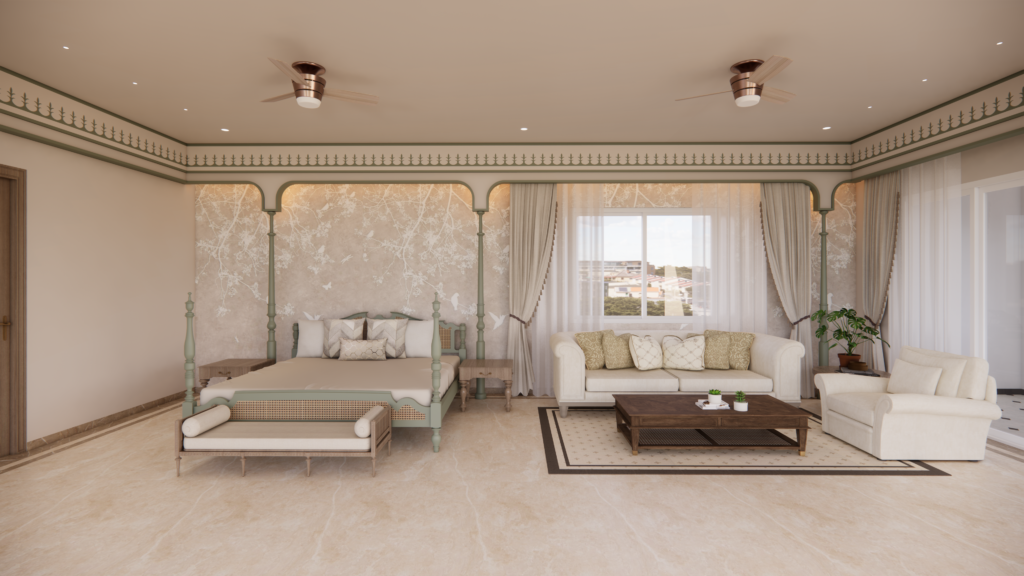
In today’s design-driven market, the word “luxury” appears almost everywhere. Visit a few interior design websites, scroll through social media, or speak to different studios, and you will notice the same vocabulary repeated—luxury, premium, bespoke, high-end. Over time, these words begin to lose meaning. For homeowners planning a new home or renovating an existing one, the real concern is rarely about chasing a label. It is far more personal: how do I make sure I don’t get this wrong? When you are investing in a space you will live in for years—or one that represents your growth and success—mistakes are not just financial. They affect your everyday comfort, your routines, and your peace of mind. The true difference between someone who markets luxury and someone who genuinely understands it is rarely visible in photographs. It becomes evident through process, clarity, and long-term thinking.
One of the biggest misconceptions about luxury interior design is that it has a specific look. Many people assume luxury means marble floors, gold accents, imported furniture, dramatic chandeliers, or perfectly styled spaces that photograph beautifully. While high-quality materials and aesthetics are certainly part of refined design, true luxury is not defined by ornamentation or excess. It is not a fixed style. It is an experience. A space can appear grand and still feel inconvenient to live in. On the other hand, a home that looks understated can feel deeply luxurious because it functions effortlessly. Real luxury reveals itself over time—how comfortable the layout feels after months of use, how intuitive the storage solutions are, how well the lighting adapts from morning productivity to evening relaxation, and how gracefully materials age without demanding constant maintenance.
The first meaningful difference between surface-level branding and genuine expertise often appears in the early stages of conversation. Designers who rely heavily on the “luxury” label tend to begin by showcasing their portfolio—highlighting completed projects, awards, or media features. While experience and credibility are important, true luxury practice begins with listening. It involves understanding how you live, not just how you want your home to look. Thoughtful designers ask questions about your daily routines, your frustrations with your current space, your long-term plans, and the small details that shape your lifestyle. They explore how you use your kitchen on a weekday morning, where clutter tends to accumulate, how you entertain guests, and what you want your home to make easier. These questions may feel simple, but they form the foundation of meaningful design decisions. Clients who feel most satisfied with their interiors often say they felt heard and understood, sometimes in ways they did not expect.
Many of the elements that define genuine luxury are invisible. They do not immediately catch the eye in a photograph, but they influence daily experience profoundly. Well-proportioned storage that accommodates real belongings without creating clutter, circulation paths that allow easy movement, furniture layouts that feel natural rather than forced, and layered lighting that adjusts to different moods and activities—all of these contribute to a sense of ease. Materials selected for durability and context rather than just appearance also make a significant difference. When finishes age gracefully instead of deteriorating quickly, a home retains its quality and value. True luxury often reduces friction. It eliminates the small irritations that accumulate in poorly planned spaces. Because these decisions are subtle, they are often underestimated during the selection process.
Portfolios, although useful, can sometimes create a misleading impression. Professional photography captures a space at its most polished moment. What it does not show is the process behind it. It does not reveal whether the design was fully customized or adapted from previous projects. It does not explain the compromises that may have been made during execution or how unexpected challenges were handled. Two homes can look equally refined in images, yet offer completely different living experiences. Homeowners who have been through the process once often begin asking deeper questions the second time around: What was truly bespoke? How were budget adjustments managed? What systems were in place during execution? How were site issues resolved? The clarity and confidence with which these questions are answered often say more about a designer’s capability than the images themselves.
The budget conversation is another critical indicator of professionalism. Discussions about cost can be uncomfortable, but they are essential. Designers who are secure in their process approach budgets transparently. They explain trade-offs clearly, outline priorities, and distinguish between elements that add long-term value and those that may not justify their cost. They help clients make informed decisions rather than vague promises about flexibility. Luxury is not about spending without limits; it is about allocating resources thoughtfully. Strategic investment in quality materials, precise detailing, and skilled craftsmanship often delivers greater long-term satisfaction than overspending on visually dramatic but short-lived features. Transparency in financial planning builds trust and reduces stress later in the project.
The difference between custom and bespoke design is another area where confusion often arises. Many studios offer customization, which might involve modifying dimensions or finishes within a familiar template. Bespoke design, however, begins from the ground up. It considers the client’s habits, cultural context, maintenance preferences, and future needs before shaping solutions. It may involve tailoring storage around specific belongings, designing furniture proportions around the user’s comfort, or selecting finishes suited to local climate conditions. Bespoke design requires deeper thinking and coordination. It demands accountability. That is why it is less common than the term suggests. Yet for those seeking authentic luxury, this level of personalization often makes a meaningful difference.
Execution is where luxury either holds its integrity or falls apart. A design concept may look flawless on paper, but the transition to reality introduces complexity. Site conditions change, vendors interpret drawings differently, and unforeseen challenges arise. Luxury does not mean problems will not occur. It means there are systems in place to address them calmly and efficiently. Clear documentation, structured communication, and proactive coordination ensure that the original intent is preserved. Homeowners may not remember every detail of the construction phase, but they will remember how issues were handled. A steady, transparent process builds confidence.
At its core, genuine luxury is less about impressing and more about understanding. Homeowners do not simply want a visually striking space; they want an environment that feels aligned with who they are and how they live. Designers who listen carefully, explain decisions clearly, and collaborate without ego tend to build stronger, longer-lasting relationships. Luxury becomes a shared responsibility rather than a display of dominance in taste.
Ultimately, the authenticity of luxury is not determined by slogans or grand promises. It is recognized through careful listening, thoughtful planning, transparent communication, and consistent execution. It is felt in the comfort of everyday life, in the absence of friction, and in the quiet confidence that the space will continue to serve its purpose well into the future. True luxury interior design is not about spectacle—it is about intention, longevity, and creating environments that genuinely support better living.
What is the difference between custom and bespoke interiors?
Custom interiors may adapt existing templates, while bespoke interiors are designed entirely around the client’s habits, needs, and context from the ground up.
Does luxury interior design always mean a higher budget?
Not necessarily. Luxury is about intentional spending and value-driven decisions, not simply increasing the budget.
How important is execution in luxury interiors?
Execution is critical. Even the best design concepts can fail without strong coordination, documentation, and site management.
Why is the initial consultant so important in luxury projects?
The consultation sets the foundation. Designers who practice real luxury focus on understanding routines, priorities, and long-term goals before proposing solutions.
Why do some luxury-looking homes feel uncomfortable to live in?
It happens so because visual appeal along does not guarantee functional planning, ergonomic proportions, proper lighting, or practical storage solutions.