

11 Commercial Interior Design Ideas to Create Modern & Productive Workspaces
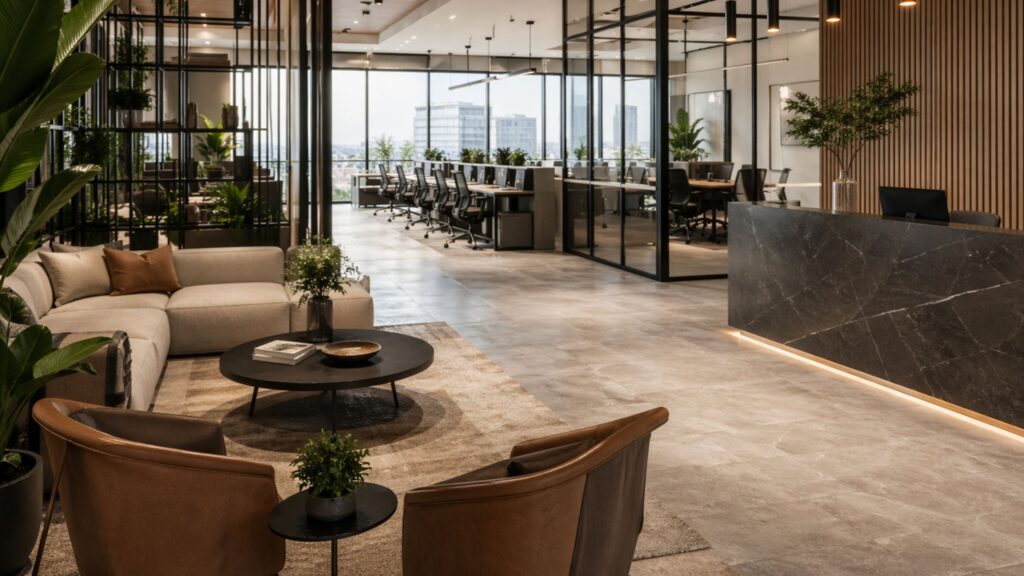
23rd April, 2026 11 Commercial Interior Design Ideas That Help Businesses Grow Faster By Indie Living — A Premium Interior & Furniture Design Studio Commercial interiors today are no longer just about aesthetics. For business owners, the workplace has become a strategic asset — influencing productivity, customer perception, brand positioning, and long-term business growth. A thoughtfully designed commercial space communicates professionalism, builds trust, and improves operational efficiency. Whether it is an office, retail showroom, studio, hospitality space, or experience center, interior design directly impacts how people work, interact, and make decisions. At Indie Living, we believe commercial interiors should balance function, brand identity, and user experience. The goal is not decoration — it is creating environments that support business success. Below are 11 practical commercial interior design ideas every business owner should consider while planning or upgrading their workspace. 1. Design Around Business Function First The most successful commercial interiors begin with one question: How does the business operate daily? Instead of starting with colors or materials, design should map workflow patterns: Employee movement Client interaction zones Collaboration areas Service efficiency Storage and backend operations For example: A design studio needs collaborative discussion zones. A retail space prioritizes customer flow. A corporate office requires focus areas alongside meeting spaces. When interiors align with operations, businesses experience: Faster workflows Reduced clutter Improved employee productivity Good design removes friction from everyday work. 2. Create a Strong Brand Experience Through Interiors Your commercial space is often your first physical interaction with clients. Interior design should reflect: Brand personality Company values Industry positioning Target clientele Luxury brands benefit from refined materials and minimal compositions, while creative agencies may embrace bold textures and flexible layouts. Key branding elements include: Material palette Lighting character Color consistency Reception design Spatial storytelling A well-designed workspace silently communicates credibility before a single conversation begins. 3. Prioritize Smart Space Planning Many businesses struggle not because of space limitations but because of poor planning. Efficient zoning improves both experience and performance. Essential zones to consider: Reception or waiting areas Workstations Private meeting rooms Collaboration zones Quiet focus spaces Breakout areas Open offices without planning often lead to noise and distractions. Similarly, excessive partitions reduce collaboration. The solution lies in balanced spatial planning — combining openness with privacy. 4. Invest in Ergonomic Work Environments Employee comfort directly influences productivity, retention, and well-being. Commercial interiors must support long working hours through: Ergonomic seating Correct desk heights Adequate lighting Proper screen positioning Comfortable circulation space Poor ergonomics lead to fatigue, health issues, and reduced efficiency. Businesses that invest in employee comfort often see: Better work performance Reduced absenteeism Higher workplace satisfaction Interior design becomes an investment in human capital. 5. Use Lighting as a Performance Tool Lighting is one of the most underestimated elements in commercial design. Instead of relying only on overhead lighting, successful spaces combine multiple layers: Ambient Lighting – overall illuminationTask Lighting – focused work areasAccent Lighting – highlighting design featuresNatural Light Integration – improving mood and energy Well-lit environments: Enhance focus Improve customer perception Reduce eye strain Elevate brand image Natural daylight, wherever possible, significantly improves workplace psychology. 6. Design Flexible and Future-Ready Spaces Business needs evolve quickly. Interiors should adapt without requiring complete renovations. Flexible commercial design includes: Modular furniture systems Movable partitions Multi-purpose meeting rooms Convertible work areas For growing companies, flexibility allows: Team expansion Hybrid work models Changing operational needs Future-ready design reduces long-term renovation costs while supporting business scalability. 7. Integrate Technology Seamlessly Modern commercial interiors must accommodate technology without visual clutter. Consider integrating: Concealed wiring systems Smart meeting rooms Acoustic solutions for virtual meetings Digital presentation walls Automated lighting and climate controls Technology should feel integrated, not added later. Smart workplaces improve efficiency while maintaining a clean and professional visual environment. 8. Focus on Customer Experience Design Commercial spaces are not only workplaces — they are experience environments. Customers subconsciously evaluate businesses through spatial cues: Comfort level Waiting experience Navigation clarity Visual impression Emotional atmosphere Retail stores, offices, and hospitality environments benefit from intentional experience design: Clear entry points Intuitive circulation Comfortable seating Engaging display areas When customers feel comfortable, they stay longer and engage more deeply with the brand. 9. Use Materials That Reflect Longevity and Quality Commercial interiors experience heavy usage. Material selection must balance aesthetics and durability. Recommended considerations: Scratch-resistant surfaces Easy maintenance finishes High-quality flooring Durable upholstery Timeless material palettes Premium interiors are not defined by expensive materials alone but by thoughtful material longevity. Timeless materials prevent frequent redesigns and maintain brand consistency over time. 10. Incorporate Biophilic and Wellness Elements Modern workplaces increasingly prioritize wellness. Biophilic design introduces natural elements into interiors through: Indoor plants Natural textures Earth-toned palettes Natural ventilation Visual connection to outdoors Benefits include: Reduced stress levels Improved concentration Better employee morale Enhanced client comfort Wellness-oriented environments are becoming essential rather than optional in commercial design. 11. Create Statement Areas That Leave a Lasting Impression Every commercial space should have one memorable feature. This could be: A striking reception desk Feature lighting installation Brand wall Artistic material application Architectural focal element Statement areas strengthen brand recall and elevate perceived value. A thoughtfully designed focal point often becomes the visual identity clients associate with the business. Why Commercial Interior Design Is a Business Strategy Many business owners view interior design as a finishing step. In reality, it should be integrated into business planning from the beginning. Strategic commercial interiors help achieve: Stronger brand positioning Higher employee efficiency Improved client trust Better space utilization Long-term operational savings The workplace today is part of marketing, operations, and culture combined. Common Mistakes Business Owners Should Avoid Even well-intentioned projects face challenges when design decisions lack strategic direction. Avoid these common issues: Designing only for aesthetics without functionality Ignoring employee workflow Overcrowding spaces Choosing trends over timeless design Underestimating lighting design Neglecting acoustic planning Adding technology after construction Professional planning ensures every design decision serves a purpose. The Indie Living Approach to Commercial Interiors At Indie Living, commercial interior design is