

17th March, 2026
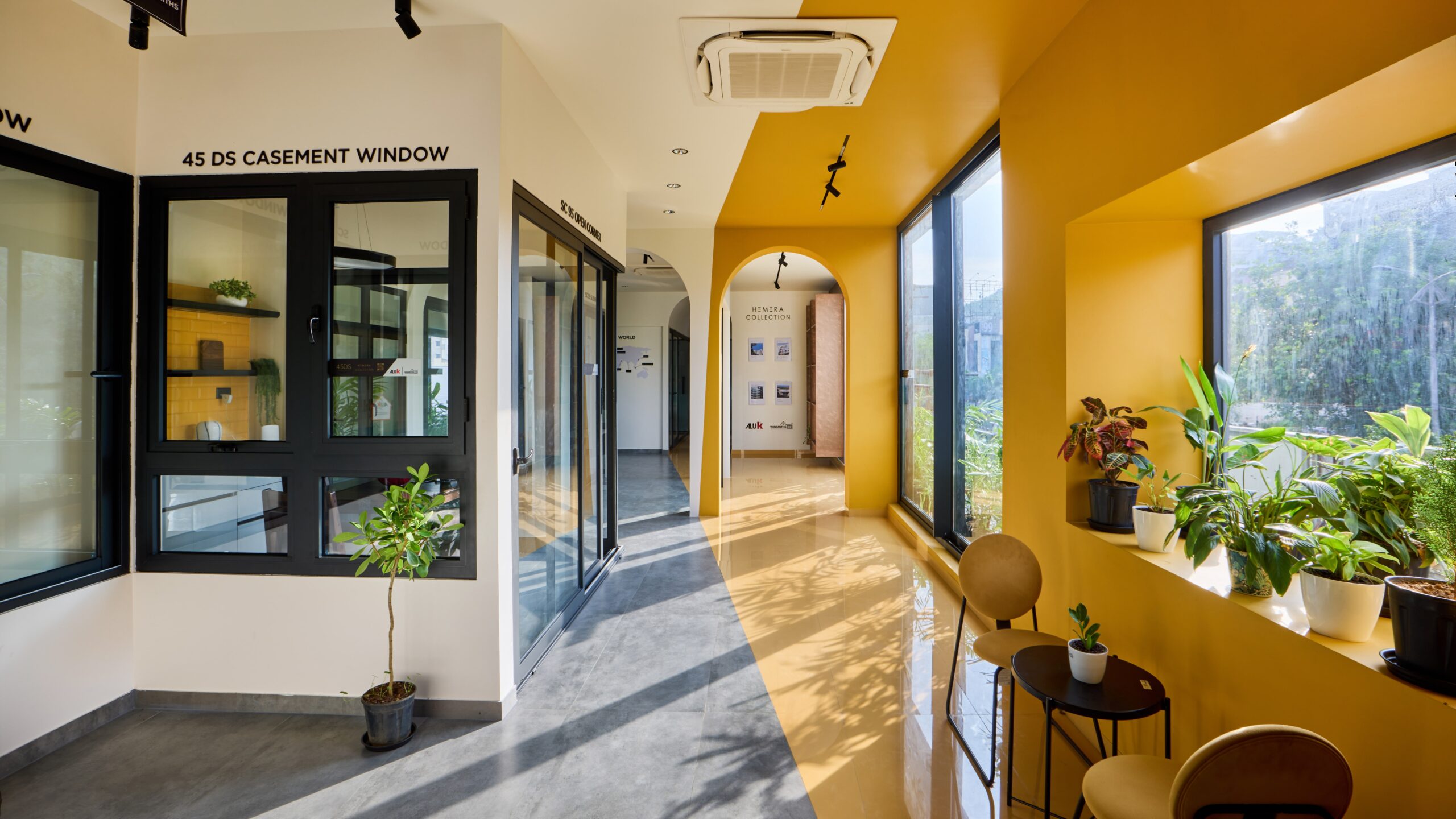
Ergonomic Office Design: Why It Matters for Productivity, Employee Well-Being, and Workplace Efficiency
By Indie Living — A Premium Interior & Furniture Design Studio
The modern workplace is evolving rapidly. Offices today are no longer just places where employees complete tasks; they are environments that influence creativity, collaboration, well-being, and long-term productivity. Organizations are increasingly recognizing that workplace design plays a crucial role in employee performance. One of the most important factors shaping modern workplaces is ergonomic office design.
Ergonomics is the science of designing workspaces that support the physical and psychological needs of employees. Instead of forcing individuals to adapt to uncomfortable environments, ergonomic design focuses on creating workplaces that adapt to people. When offices are designed with ergonomic principles in mind, employees can work comfortably, maintain better posture, and stay focused for longer periods.
As hybrid work models expand and employees spend more time using digital devices, ergonomic office design has become an essential strategy for improving workplace productivity and employee well-being.
What Is Ergonomic Office Design?
Ergonomic office design refers to the practice of creating work environments that reduce physical strain and support efficient work performance. The aim is to ensure that office furniture, workspace layouts, lighting conditions, and workplace technology align with the natural movements and needs of employees.
A well-designed ergonomic workplace typically includes:
- Adjustable and supportive furniture
- Proper monitor and keyboard positioning
- Adequate lighting and visual comfort
- Effective noise control
- Healthy indoor air quality
- Flexible workspace layouts
By integrating these elements into office interiors, organizations can create environments where employees can perform tasks comfortably and efficiently.
Ergonomics is the science of designing workspaces that support the physical and psychological needs of employees. Instead of forcing individuals to adapt to uncomfortable environments, ergonomic design focuses on creating workplaces that adapt to people. When offices are designed with ergonomic principles in mind, employees can work comfortably, maintain better posture, and stay focused for longer periods.
As hybrid work models expand and employees spend more time using digital devices, ergonomic office design has become an essential strategy for improving workplace productivity and employee well-being.
Why Ergonomic Office Design Is Important for Modern Workplaces
Many traditional office layouts prioritized maximizing desk capacity rather than employee comfort. This often resulted in rigid workstations and poor seating arrangements that caused discomfort during long working hours.
Research indicates that ergonomic injuries account for approximately 33% of all workplace injury and illness cases, highlighting the widespread impact of poor workstation design.
Poor ergonomics can lead to issues such as:
- Back and neck pain
- Eye strain and headaches
- Repetitive stress injuries
- Reduced concentration and productivity
Studies also show that around 70% of employees report their workplace has never undergone an ergonomic assessment, meaning many organizations still overlook ergonomic planning.
When organizations invest in ergonomic office design, they create environments that support employee health while improving engagement and efficiency.
Ergonomic Workspaces Strengthen Employer–Employee Relationships
A thoughtfully designed workplace does more than improve productivity—it demonstrates that an organization values its people.
Employees spend a large portion of their day at work, often sitting at desks for eight or more hours. A poorly designed workspace can make daily work uncomfortable, while an ergonomic environment supports both physical and mental well-being.
Research shows that musculoskeletal disorders affect more than 70% of office workers in some studies, often caused by poor workstation setups and long periods of sitting.
When organizations invest in ergonomic workspaces, employees feel supported and valued. This creates a stronger emotional connection between employees and their workplace.
Employees who feel comfortable and supported are more likely to:
- Stay motivated and productive
- Collaborate effectively with colleagues
- Develop loyalty toward their organization
- Maintain higher job satisfaction
In this way, ergonomic office design helps build a positive workplace culture based on trust and employee care.
Key Elements of Ergonomic Office Design
Creating an ergonomic office requires thoughtful planning and the integration of several design elements that support employee comfort and productivity.
Ergonomic Office Furniture
Furniture plays one of the most important roles in workplace ergonomics. Adjustable furniture allows employees to customize their workstations according to their body posture and comfort needs.
Common ergonomic furniture includes:
- Adjustable office chairs with lumbar support
- Height-adjustable desks
- Sit-stand workstations
- Monitor arms and keyboard trays
Studies show that ergonomic interventions in workplaces can significantly improve productivity because employees are able to work without physical discomfort.
Proper Lighting and Visual Comfort
Lighting has a major impact on employee comfort and productivity. Poor lighting conditions can cause eye strain, headaches, and fatigue, especially for employees who spend long hours working on screens.
Modern office interiors prioritize:
- Natural daylight exposure
- Glare-free lighting systems
- Adjustable task lighting
Proper lighting improves visual comfort and helps employees maintain focus throughout the day.
Acoustic Comfort and Noise Control
Noise is one of the most common productivity barriers in open office environments. Continuous background noise and interruptions can disrupt concentration and increase stress levels.
Ergonomic office design addresses this challenge by incorporating:
- Acoustic panels
- Sound-absorbing materials
- Carpets and soft furnishings
- Quiet zones for focused work
Reducing workplace interruptions helps employees maintain concentration and improves overall workflow efficiency.
Indoor Air Quality and Temperature Control
Workplace comfort is also influenced by environmental factors such as air quality and temperature.
Poor ventilation and uncomfortable temperatures can negatively affect concentration and decision-making. Studies show that workplace discomfort can contribute to reduced productivity and increased absenteeism.
Modern offices increasingly integrate:
- Smart HVAC systems
- Improved ventilation and air filtration
- Indoor plants and biophilic design elements
Maintaining comfortable air quality and temperature levels helps employees remain energized and productive throughout the day.
Ergonomic Office Layout and Workspace Planning
Beyond furniture and lighting, workspace layout plays a major role in workplace efficiency.
A well-planned ergonomic office layout typically includes:
- Focus areas for individual tasks
- Collaborative spaces for team discussions
- Informal meeting zones
- Breakout areas for relaxation
Providing a variety of workspace options allows employees to choose environments that best suit their tasks and working styles.
Benefits of Implementing Ergonomic Workplace Programs
Organizations that invest in ergonomic workplace improvements often see measurable benefits.
Research shows that companies implementing ergonomic programs can achieve productivity improvements of up to 25%.
Additional benefits include:
- 59% reduction in musculoskeletal disorders
- 75% reduction in lost workdays caused by workplace injuries
- Up to 67% reduction in employee injury-related costs
These results highlight that ergonomic office design is not simply about comfort—it is a strategic investment in business performance.
The Future of Ergonomic Office Design
As technology continues to evolve, ergonomic office design will play an even greater role in shaping modern workplaces.
Future offices are expected to integrate advanced technologies that automatically adapt to employee needs, including:
- Smart adjustable workstations
- AI-driven workspace optimization
- Posture-monitoring systems
- Automated lighting and climate control
These innovations will allow offices to dynamically adjust to employee preferences and create more comfortable work environments.
Conclusion
Ergonomic office design has become a fundamental component of modern workplace strategy. By creating environments that prioritize employee comfort and health, organizations can improve productivity, reduce workplace injuries, and strengthen relationships between employers and employees.
Workspaces designed with ergonomic principles support both physical well-being and mental engagement. When employees feel comfortable and valued, they are more likely to perform at their best and contribute positively to the organization.
As workplace expectations continue to evolve, ergonomic design will remain a key driver in shaping the offices of the future—creating environments that foster creativity, collaboration, and long-term success.
Statistics referenced in this article are based on research and workplace ergonomics data from:
https://market.biz/workplace-ergonomics-statistics/
https://www.osha.gov/ergonomics
https://pmc.ncbi.nlm.nih.gov/articles/PMC8047279/
Frequently Asked Questions (FAQs)
1. What is ergonomic office design?
Ergonomic office design focuses on creating workplaces that support employee comfort, reduce physical strain, and improve productivity. It involves designing furniture, workstations, lighting, and layouts that align with the natural posture and movements of employees.
2. Why is ergonomics important in the workplace?
Ergonomics is important because it helps prevent workplace injuries, reduces physical discomfort, and improves employee productivity. Poorly designed workstations can cause health issues such as back pain, neck strain, and repetitive stress injuries, which can negatively impact performance.
3. What are the key elements of an ergonomic office?
Key elements of ergonomic office design include:
- Adjustable office chairs with lumbar support
- Height-adjustable desks or sit-stand workstations
- Proper monitor and keyboard positioning
- Adequate lighting and glare control
- Noise management and acoustic solutions
- Good ventilation and indoor air quality
These elements work together to create a comfortable and productive work environment.
4. Can ergonomic office design improve employee productivity?
Yes. Studies show that organizations implementing ergonomic workplace improvements can increase productivity by up to 25% while reducing workplace injuries and employee fatigue.
5. What type of furniture is used in ergonomic offices?
Common ergonomic office furniture includes:
- Adjustable chairs with lumbar support
- Sit-stand desks
- Height-adjustable desks
- Monitor arms and keyboard trays
- Ergonomic keyboards and mice
These tools help employees maintain healthy posture during long work hours.
6. Are ergonomic office designs suitable for hybrid workplaces?
Yes. Ergonomic design principles are highly suitable for hybrid workplaces. Flexible office spaces such as hot-desking areas, collaborative zones, and focus pods can be designed with ergonomic furniture and layouts to ensure comfort for different users.
7. Is ergonomic office design expensive?
While ergonomic improvements may require an initial investment, they often reduce long-term costs related to employee health issues, workplace injuries, and lost productivity. Many organizations view ergonomic design as a long-term investment in employee well-being.
8. How can businesses implement ergonomics in existing offices?
Businesses can improve ergonomics in existing offices by:
- Upgrading to adjustable chairs and desks
- Improving lighting conditions
- Adding acoustic panels to reduce noise
- Rearranging workstations for better posture and comfort
- Improving ventilation and air quality
Even small ergonomic improvements can significantly enhance employee comfort and productivity.